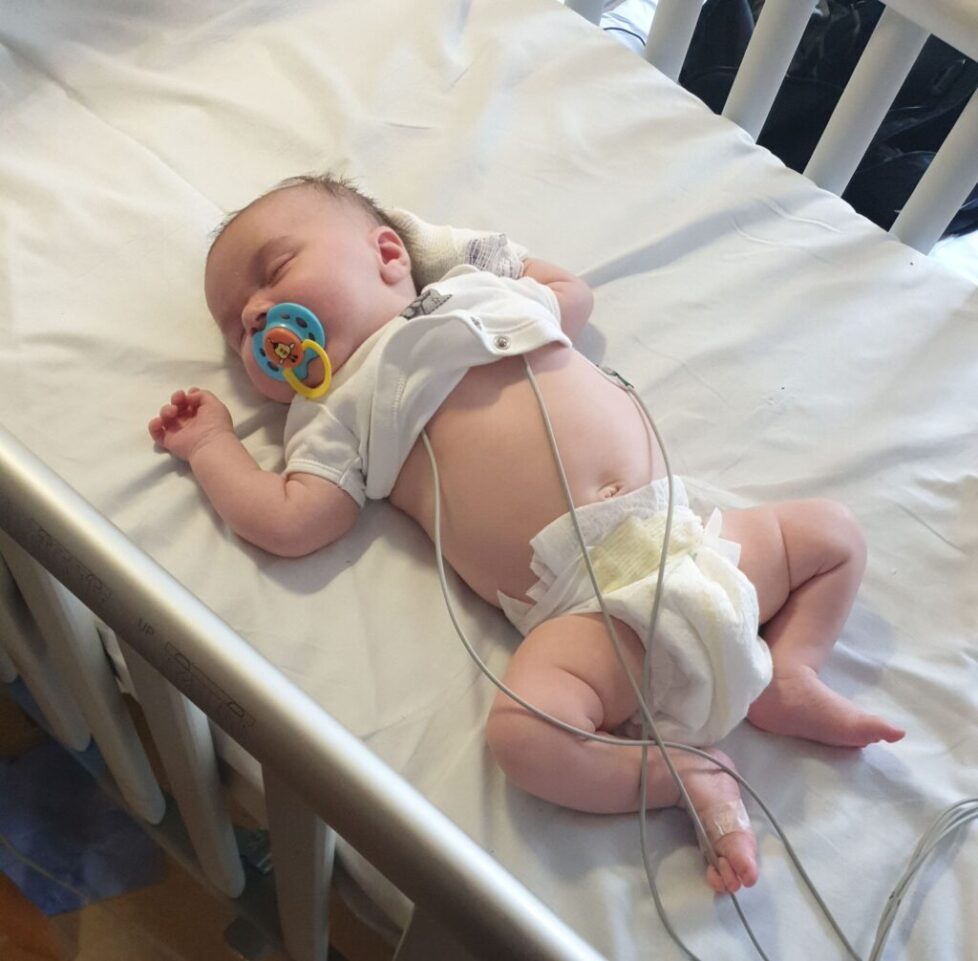

Every year, 25,000 children in the UK are affected by sepsis. The signs and symptoms of sepsis in children can be slightly different to those seen in adults, and they can be difficult to recognise due to their similarity to other childhood illnesses.
When treating childhood sepsis, early detection is key. Parents and caregivers must be aware of these early warning signs in babies and children so they can seek immediate medical treatment:
- Rapid or shortness of breath
- Cold, mottled or pale skin
- A very high or low temperature
- Bluish skin or lips
- Poor feeding
- Vomiting and diarrhoea
- Lethargy or difficulty waking
- Little or no urine output
- A non-fading rash
Protecting children from sepsis
Sepsis is a life-threatening condition caused by the immune system overreacting to an infection. It can develop rapidly, so you must act fast if you suspect something isn’t right.
As a parent, you know your child best, so it’s important to trust your instincts. If your child shows the early warning signs, seems unusually ill, or you have any concerns whatsoever that it could be sepsis, you must seek urgent medical attention.


Further information about sepsis
For further details about sepsis, visit NHS Inform. Information on the common causes of sepsis and the key warning signs in adults is also available on our website.
Our SPIFOX partnership
We’re dedicated to improving the outcomes for sepsis patients of all ages. In 2019, we partnered with SPIFOX to provide six monitors to the Royal Hospital for Children in Glasgow. These monitors measure vital signs and pick up early warning signals that could indicate sepsis in children, potentially saving lives.


The sepsis in schools project: SEPS_IS
The SEPS_IS project is an exciting collaboration between researchers at the University of Glasgow and the Sepsis Research FEAT team. The initiative introduces secondary school pupils to sepsis, its symptoms and treatment. Our ultimate goal is to make the study of sepsis part of the national curriculum.